Materials that Stand Out
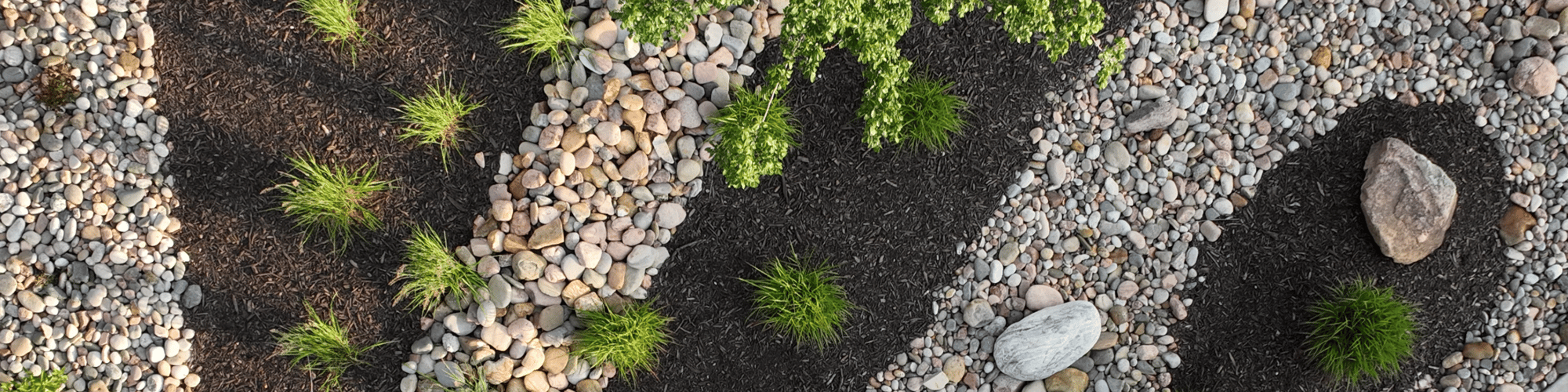
Turn everyday spaces into standout landscapes with the natural beauty and durability of stone. From decorative gravel and edging to bold boulders and statement pieces, our selection is built to elevate every project—big or small. Whether you're refreshing a front bed or designing a full outdoor space, it’s time to Rock Your Yard with materials you can count on.
Natural Stone FAQs
What is the difference between natural stone and manufactured stone?
What kind of base do I need to go under a natural stone patio?
If I want a bubbler hole drilled into my boulder, can you do that for me?
What additional products do I need when installing natural stone?
Yes—depending on the project, you may need:
- Polymeric sand for joints
- Adhesives (like SRW products) for walls or steps
- Geotextile fabric for stability and drainage
Is natural stone more expensive than pavers or block?
Usually, yes—but not always by as much as people think. Natural stone often has a higher upfront cost because:
- It’s quarried (not manufactured)
- It takes more time and skill to install
Installed projects can run higher overall than pavers depending on the stone type and labor involved - Overall natural stone typically lasts longer and requires fewer replacements over time!
Can I hand-pick specific pieces or colors?
What size gravel should I use for pathways vs beds?
For pathways (walkable areas):
- ¼” to ½” gravel (like screenings or small crushed stone) - This packs down well, it is easier to walk on. At PLC our Kansas Pea Gravel or 1/4" Chip would be great options!
For decorative beds:
- 1”–3” gravel or river rock, this will offer a better visual impact. Many of the decorative gravels found at PLC will be around the 1.5" size!
How does it handle freeze-thaw cycles in Kansas weather?
Natural stone performs very well in Midwest climates—when installed correctly.
- Stone and pavers are installed with joints between pieces, allowing slight movement
- This flexibility helps prevent cracking during freeze-thaw cycles
- Proper base (compacted gravel + drainage) is critical